
A Beginner-Friendly Guide to Fall Layering
Fall is one of the best seasons for fashion. The weather is cooler, but it isn't always cold enough to reach for a heavy winter coat. This makes fall the perfect time to experiment with layering.
Layering simply means wearing several clothing pieces together so you can adjust your outfit throughout the day. A simple T-shirt can become a completely different outfit when paired with a cardigan, jacket, scarf, or coat.
The good news is that you don't need a huge wardrobe to master fall layering. With a few versatile pieces and some basic styling ideas, you can create comfortable and stylish outfits throughout the season.
Start With a Lightweight Base
The first layer should usually be something lightweight and comfortable. T-shirts, tank tops, button-down shirts, and thin long-sleeve tops are all excellent choices.
A lightweight base makes it easier to add additional layers without making your outfit feel bulky. Neutral colors such as white, black, beige, gray, and navy are particularly useful because they can be combined with almost anything.
For a simple everyday outfit, try a basic white T-shirt underneath a cardigan or lightweight jacket. You can then add or remove the outer layer depending on the temperature.
The key is to think of your outfit as a combination of individual pieces rather than one complete look.
Add a Sweater or Cardigan

A sweater or cardigan is one of the most useful pieces in a fall wardrobe.
Cardigans are particularly versatile because they can be opened or closed depending on the weather. They also work well over T-shirts, shirts, dresses, and lightweight blouses.
If you prefer a relaxed look, choose an oversized sweater with jeans and sneakers. For a more polished outfit, try a fitted sweater over a collared shirt and pair it with trousers or a skirt.
Don't be afraid to experiment with different textures. Knitted sweaters, cotton shirts, denim jackets, and soft scarves can create visual interest even when you're wearing simple colors.
Choose the Right Jacket
Once you've chosen your base and middle layer, you can add a jacket.
Denim jackets, leather jackets, bomber jackets, trench coats, and lightweight utility jackets are all excellent choices for fall.
A denim jacket works especially well with casual outfits. Pair it with a simple sweater, jeans, and boots for an effortless weekend look.
For something more sophisticated, a trench coat can instantly make an outfit look polished. Wear it over a sweater and trousers or over a dress with ankle boots.
When choosing an outer layer, think about proportions. If your sweater is loose and oversized, a slightly structured jacket can help balance the outfit. Layering guides commonly use combinations such as a shirt, sweater, and trench because individual pieces can be removed as temperatures change. (Who What Wear)
Play With Textures and Colors

One of the easiest ways to make layered outfits interesting is to combine different textures.
Think about pairing smooth cotton with chunky knitwear, denim with wool, or leather with soft fabrics. These combinations can make even a simple outfit feel more intentional.
Fall is also a great season for warm colors. Brown, camel, rust, olive, burgundy, cream, mustard, and deep green can create a classic autumn-inspired palette.
You don't have to wear several bright colors at once. Instead, choose one or two seasonal colors and combine them with neutral pieces.
For example, a cream sweater with brown trousers and a burgundy scarf can create a warm and sophisticated look without being complicated.
Don't Forget the Scarf
A scarf is more than just a way to stay warm. It can also be one of the easiest accessories for changing the appearance of an outfit.
A lightweight scarf works well during mild fall weather, while a thicker knitted scarf is useful when temperatures begin to drop.
Try different ways of wearing it. You can leave it hanging loosely around your neck, wrap it once, or tie it in a simple knot.
A scarf can also introduce a new color into an otherwise neutral outfit. A scarf and jacket combination is a particularly easy way to transition lighter outfits into cooler weather. (Stitch Fix)
Layer Dresses and Skirts

Layering isn't limited to jeans and sweaters.
Dresses and skirts can work beautifully during fall when combined with additional layers. Try wearing a lightweight sweater over a dress or adding a denim jacket over a simple midi dress.
You can also wear a button-down shirt underneath a sleeveless dress. Add ankle boots and a scarf for a comfortable autumn outfit.
For colder days, tights can provide an additional layer of warmth without changing the overall style of the outfit.
Pay Attention to Proportions
Good layering isn't about wearing as many clothes as possible. It's about creating balance.
If your top layer is oversized, consider wearing slimmer trousers or jeans. If you're wearing wide-leg trousers, a more fitted top can create a balanced silhouette.
Another useful trick is to make sure each layer is visible. A little bit of the shirt collar, sweater hem, or jacket underneath can add depth to your outfit.
You can also experiment with different lengths. A longer shirt underneath a shorter sweater or jacket can create an interesting layered effect.
Choose Comfortable Footwear
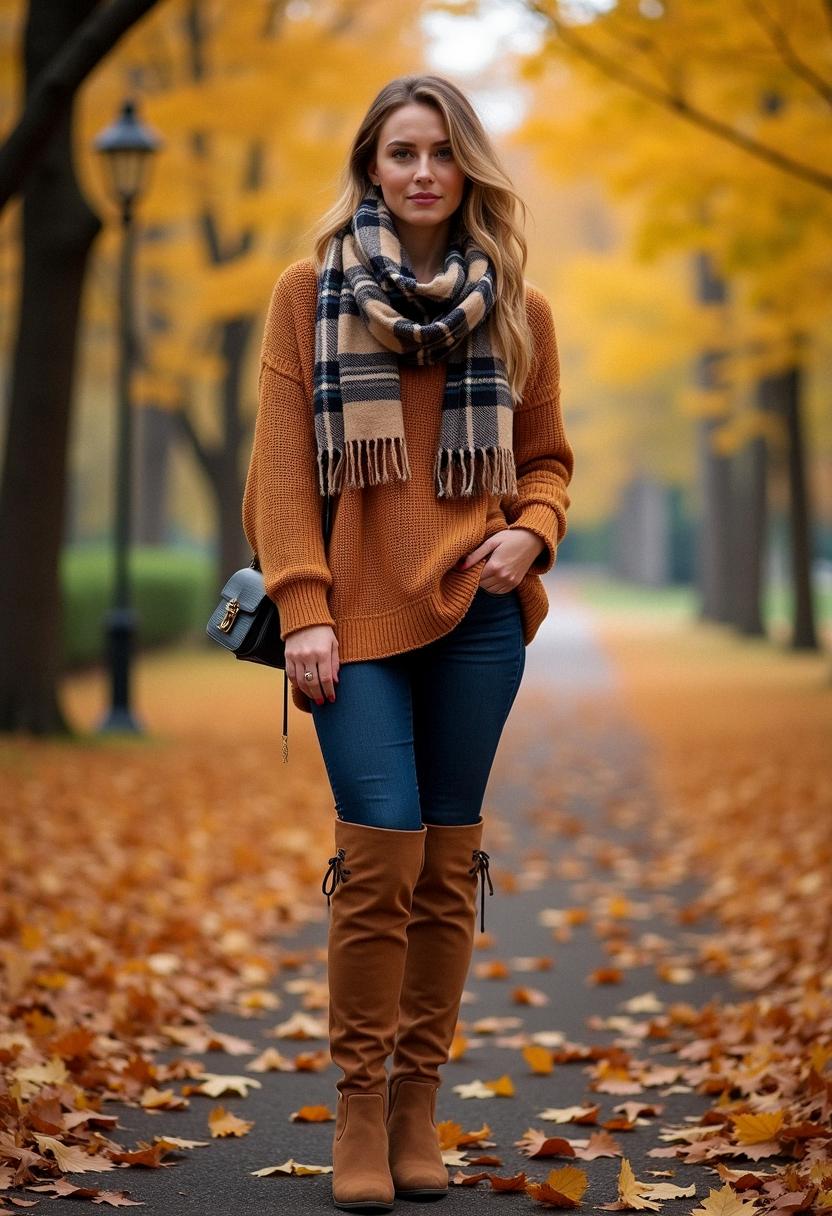
Your shoes can complete the entire fall look.
Sneakers are ideal for casual everyday outfits, while ankle boots can make an outfit feel more polished. Loafers, ballet flats, and other closed-toe shoes can also work well during mild fall weather.
Choose footwear based on both your outfit and the conditions outside. Rainy days may call for water-resistant boots, while dry and mild days give you more flexibility.
Comfort should always be part of the equation. A stylish outfit isn't very useful if you can't comfortably walk around in it.
Keep Your Layers Practical
The biggest advantage of layering is flexibility.
Fall temperatures can change significantly throughout the day. You might leave home in cool weather and find yourself feeling warm in the afternoon.
That's why removable layers are so useful.
Instead of wearing one very heavy piece, consider combining several lighter pieces. You can remove your jacket or cardigan when the temperature rises and put it back on later.
This approach also gives you more outfit combinations from the same wardrobe.
An Easy Fall Layering Formula
If you're not sure where to begin, try this simple formula:
Base layer + sweater/cardigan + jacket + accessory
For example:
White T-shirt + beige sweater + denim jacket + scarf
Or:
Button-down shirt + cardigan + trench coat + ankle boots
Once you're comfortable with these combinations, start experimenting with different colors, textures, lengths, and accessories.
Final Thoughts
Fall layering doesn't have to be complicated. Start with comfortable basics, add one layer at a time, and pay attention to how the pieces work together.
A small collection of versatile clothing can create dozens of different combinations. T-shirts, sweaters, cardigans, jackets, scarves, jeans, trousers, dresses, and boots can all be mixed and matched throughout the season.
The most important thing is to have fun with your clothes. Try new combinations, experiment with autumn colors, and adjust your layers according to the weather.
With a little practice, you'll find that layering becomes one of the easiest and most enjoyable ways to dress for fall.