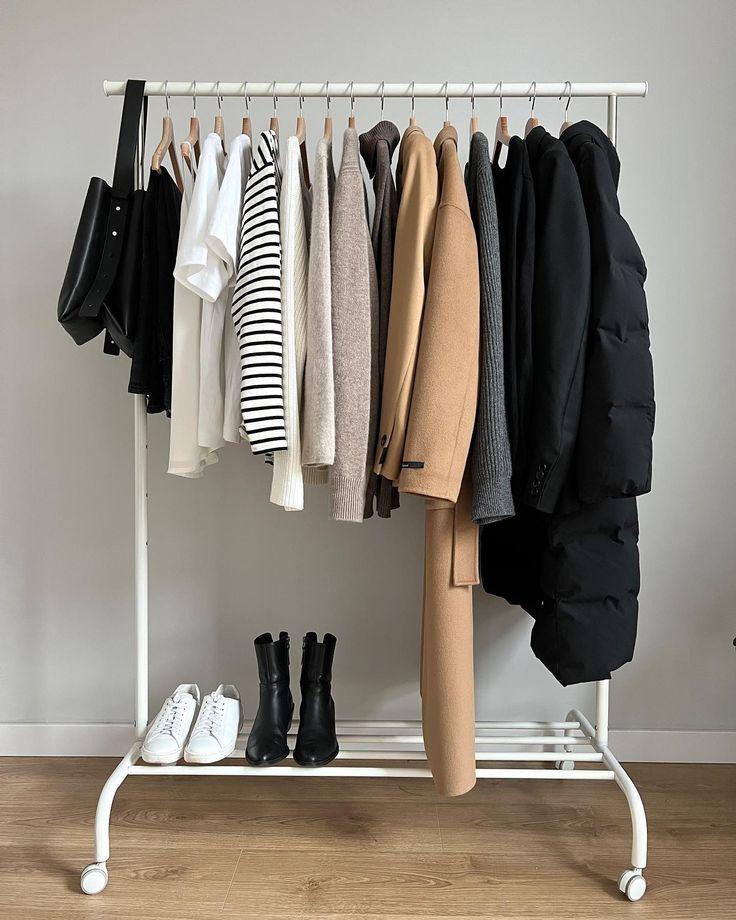
A capsule wardrobe sounds like a dream.
You open your closet and immediately know what to wear. Everything fits, most pieces work together, and you don't have to dig through piles of clothes every morning just to find one decent outfit.
But building a capsule wardrobe isn't about owning exactly 30 pieces of clothing or throwing away everything you own.
The real goal is much simpler:
Create a wardrobe where the clothes you own are clothes you actually want to wear.
A good capsule wardrobe should make getting dressed easier, not turn your closet into another set of rules.
Here's how to build one that actually works for your lifestyle.


1. Start With Your Real Life


Before buying anything or throwing anything away, think about how you actually spend your time.
Do you work in an office?
Work from home?
Spend most of your time in casual clothes?
Go out frequently?
Exercise several times a week?
Live somewhere with dramatic seasonal changes?
Your wardrobe needs to reflect your life, not someone else's Pinterest board.
If you work from home five days a week, you probably don't need ten formal outfits.
If your job requires business clothing, your capsule wardrobe needs more work-appropriate pieces.
The perfect capsule wardrobe is different for everyone.
2. Don't Start by Buying New Clothes
One of the biggest mistakes people make is seeing a capsule wardrobe as a shopping challenge.
They find a list online that says they need:
- 3 shirts
- 2 sweaters
- 2 trousers
- 1 blazer
- 1 dress
- 2 pairs of shoes
Then they immediately go shopping.
Don't.
Start with what you already own.
Your closet probably already contains many of the pieces you need.
The first step is simply figuring out what's working and what's not.
3. Empty Your Closet


Take everything out.
Yes, everything.
It may look worse before it gets better, but seeing your entire wardrobe in one place makes it much easier to recognize how much you actually own.
Create four categories:
Keep
Things you love and wear regularly.
Maybe
Things you're unsure about.
Donate or Sell
Things you don't wear and no longer need.
Repair
Things you would actually wear if they were fixed.
Don't automatically throw away anything simply because it doesn't fit a particular capsule wardrobe checklist.
The goal is to build a wardrobe around your preferences.
4. Find Your Most-Worn Pieces
Now look at what you've kept.
Which clothes do you reach for repeatedly?
Maybe it's:
- A white T-shirt
- Straight-leg jeans
- Black trousers
- A lightweight cardigan
- Sneakers
- A denim jacket
- A simple button-down
These pieces tell you something important.
They reveal your actual style.
Don't ignore that information just because a fashion guide says you should own something different.
Your capsule wardrobe should be built around the clothes you already know you'll wear.
5. Choose a Simple Color Palette


A capsule wardrobe becomes much easier to mix and match when your colors work together.
You don't have to wear only beige, black, white, and gray.
Choose a few base colors and add one or two accent colors.
For example:
Base colors
- Black
- White
- Navy
- Beige
Accent colors
- Green
- Burgundy
Or perhaps your palette is:
Cream + brown + denim + olive + rust
The exact colors don't matter.
What matters is that you can combine multiple pieces without creating an outfit that looks accidentally chaotic.
6. Build Around Versatile Basics
A strong capsule wardrobe usually contains versatile foundation pieces.
Think about items such as:
- Well-fitting jeans
- Simple T-shirts
- Neutral trousers
- Button-down shirts
- Lightweight sweaters
- A versatile jacket
- Comfortable everyday shoes
These aren't necessarily exciting pieces.
That's okay.
Their job is to make everything else easier to wear.
A good basic can be dressed up, dressed down, layered, or combined with something more interesting.
7. Add Personality With Statement Pieces


A capsule wardrobe shouldn't make you look like you're wearing the same outfit every day.
Once you have your foundation, add pieces that show your personality.
These could include:
- A patterned blouse
- A colorful jacket
- Statement earrings
- A printed skirt
- A distinctive handbag
- Interesting shoes
- A favorite vintage piece
The key is balance.
You don't need dozens of statement pieces.
A handful can make a small wardrobe feel much more varied.
8. Think in Outfits, Not Individual Pieces
This is one of the most useful capsule wardrobe tricks.
Don't ask:
"Do I like this shirt?"
Ask:
"How many outfits can I create with this shirt?"
If you buy a pair of trousers that only works with one top, they may not be particularly useful.
But if those trousers work with:
- A T-shirt
- A button-down
- A sweater
- A blazer
- A cardigan
they suddenly become much more valuable.
A good capsule wardrobe isn't about owning the fewest clothes possible.
It's about getting more combinations from the clothes you own.
9. Pay Attention to Fit


A cheap item that fits beautifully can be more useful than an expensive item that doesn't.
When evaluating your clothes, ask:
- Is it comfortable?
- Can I move easily?
- Does the shape suit me?
- Do I like how I feel wearing it?
- Does it work with my other clothes?
Don't keep something simply because it's fashionable.
If you don't feel comfortable wearing it, it probably won't become a wardrobe staple.
10. Don't Forget Shoes and Accessories
A capsule wardrobe isn't just about shirts and trousers.
Shoes and accessories can completely change the same basic outfit.
For example, a simple pair of jeans and a white shirt can look completely different with:
Sneakers + tote bag
versus
Loafers + structured handbag
versus
Sandals + statement jewelry
This is one of the easiest ways to make a smaller wardrobe feel bigger.
11. Build Around the Season


You don't need every piece of clothing you own accessible all year.
If you live somewhere with distinct seasons, consider rotating your wardrobe.
During warmer months, keep lightweight clothing accessible.
When temperatures drop, bring out sweaters, coats, boots, and heavier layers.
This has two advantages:
Your closet stays less crowded.
And:
Your clothes feel fresh when you bring them back.
You don't have to store seasonal clothes perfectly.
Even a separate section of your closet can make a difference.
12. Follow the One-In, One-Out Rule Carefully
Once you've built your capsule wardrobe, you need a way to stop it from growing uncontrollably.
The "one-in, one-out" rule can help.
If you buy a new pair of jeans, consider whether there's an old pair you no longer need.
But don't follow this rule blindly.
If your old jeans are completely different and you genuinely need both, keep both.
The purpose is to encourage intentional buying—not create arbitrary restrictions.
13. Don't Chase the Perfect Number
You may see capsule wardrobes containing exactly 20, 30, or 40 items.
Those numbers can be useful starting points.
But there is no magic number.
Someone living in a warm climate may need fewer layers.
Someone living somewhere with four distinct seasons may need more.
Someone who works in an office may need a completely different wardrobe from someone who works outdoors.
The question isn't:
"Do I own the correct number of clothes?"
It's:
"Do the clothes I own support my life?"
A Simple Capsule Wardrobe Formula
If you need a starting point, try thinking in categories rather than exact numbers.
Tops
A mix of everyday T-shirts, shirts, blouses, and lightweight layers.
Bottoms
A few pairs of jeans, trousers, skirts, or shorts that work with multiple tops.
Layers
Cardigans, sweaters, jackets, or blazers depending on your climate.
Dresses or one-piece outfits
A few versatile options if you enjoy wearing them.
Shoes
Everyday sneakers, a dressier option, and weather-appropriate footwear.
Accessories
A few bags, belts, scarves, jewelry, or other pieces that reflect your style.
Then adjust everything based on your lifestyle.
The 10-Second Morning Test
There's a simple way to know whether your capsule wardrobe is working.
Stand in front of your closet.
Can you quickly put together an outfit you actually like?
If yes, congratulations.
Your wardrobe is doing its job.
If you regularly think:
"I have nothing to wear,"
despite owning plenty of clothes, something needs to change.
You may need better basics, fewer difficult-to-style pieces, better-fitting clothes, or a clearer color palette.
Final Thought
A capsule wardrobe isn't about owning as little as possible.
It's about owning the right things for you.
Start with the clothes you already love. Remove the things you never wear. Build around versatile basics. Choose colors that work together. Add personality through statement pieces and accessories.
And don't worry about reaching some magical number of items.
If your closet contains 25 pieces and getting dressed is easy, great.
If it contains 60 pieces and everything gets worn, that's great too.
The best capsule wardrobe is the one that makes you open your closet and think:
"I actually want to wear all of this." 👕✨