If you have ever bought a beautiful houseplant, proudly placed it in your home, and then watched it slowly turn yellow, brown, or completely lifeless, you are not alone.
The good news? You probably aren't bad at taking care of plants. You may simply be giving them too much attention—or not enough of the right kind.
Houseplants don't need constant care. In fact, many common indoor plants prefer to be left alone for a while. The key is understanding a few simple things: light, water, soil, temperature, and timing.
Here's a beginner-friendly guide to keeping your plants alive, even if you have a history of accidental plant murder.


1. Start With Plants That Are Hard to Kill


The easiest way to become a successful plant parent is to choose plants that don't require expert-level care.
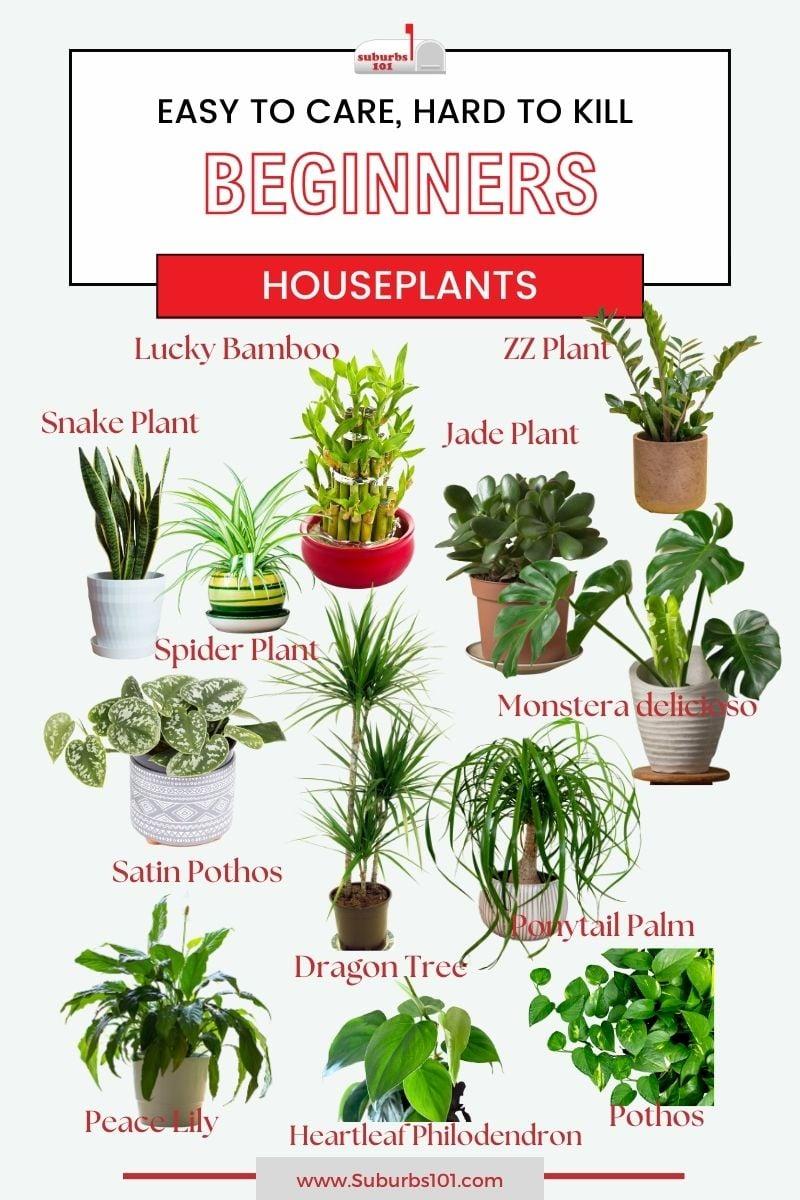
Some excellent beginner choices include:
Snake Plant
Snake plants are famous for surviving neglect. They tolerate low light and don't need frequent watering. If you regularly forget about your plants, this is a great place to start.
ZZ Plant
The ZZ plant has thick stems and leaves that store water, allowing it to survive periods of dryness. It can tolerate relatively low light and doesn't need daily attention.
Pothos
Pothos is another excellent beginner plant. It grows quickly and can tolerate a variety of indoor conditions. It also gives you an obvious warning when it needs water: its leaves may begin to droop.
Spider Plant
Spider plants are relatively forgiving and can grow well indoors with bright, indirect light. They can also produce small baby plants, making them fun for beginners.
Beginner rule: Don't start with the plant that looks the most exotic. Start with the plant that can survive your lifestyle.
2. Understand Light Before You Do Anything Else


One of the biggest mistakes beginners make is assuming that "indoors" automatically means "good for plants."
It doesn't.
Plants need light to produce energy, and different plants require different amounts.
A bright room with filtered sunlight is usually ideal for many popular houseplants. However, placing a plant directly against a window with intense afternoon sunlight can sometimes scorch its leaves.
On the other hand, putting a plant in a dark corner may cause slow growth, pale leaves, or leaf loss.
A simple trick is to observe the location before buying the plant.
Ask yourself:
- Does the room receive sunlight?
- How many hours of natural light does it get?
- Is the sunlight direct or filtered?
- Does the area stay bright throughout the day?
If your room is fairly dark, choose plants known for tolerating lower-light conditions rather than trying to force a sun-loving plant to survive there.
3. Stop Watering on a Schedule
This is probably the number-one mistake made by new plant owners.
You don't necessarily need to water your plant every Sunday.
Why? Because plants don't drink according to the calendar.
The amount of water they need depends on the plant, pot size, soil, temperature, humidity, and amount of sunlight.
Instead of asking, "Is it watering day?" ask:
"Does my plant actually need water?"
For many common houseplants, you can check the soil by putting your finger about an inch or two into the top layer. If it feels dry, the plant may need watering. If it still feels damp, wait.
When you do water, water thoroughly until some water comes out of the drainage holes.
Then empty any excess water sitting in the saucer.
4. Too Much Love Can Kill Your Plant


It sounds strange, but one of the biggest threats to houseplants is overwatering.
When soil stays wet for too long, the roots may not receive enough oxygen. In severe cases, the roots can begin to rot.
Signs of possible overwatering include:
- Yellowing leaves
- Soft or mushy stems
- Constantly wet soil
- A bad smell coming from the soil
- Leaves dropping despite the soil being wet
If you notice these symptoms, don't immediately add more water.
Instead, check the soil and make sure the pot has drainage holes.
Remember:
A thirsty plant can often recover. A plant sitting in constantly soggy soil may not.
5. Drainage Holes Are Not Optional
A beautiful decorative pot may look perfect in your living room, but it isn't necessarily a good plant pot.
Good drainage helps excess water escape.
Ideally, your plant should be growing in a container with drainage holes. You can then place that container inside a decorative cover pot if you want a more attractive appearance.
This gives you the best of both worlds:
Healthy roots + attractive décor.
Avoid letting your plant sit permanently in a pool of water at the bottom of its container.
6. Don't Keep Moving Your Plant Around
Once you find a location with suitable light and temperature, try to leave the plant there.
Plants can take time to adjust to a new environment.
Moving a plant repeatedly from a sunny window to a dark shelf and then back again can make it difficult to establish a consistent routine.
Also avoid placing plants directly next to strong air conditioners, heaters, or very hot appliances.
Most common houseplants prefer relatively stable indoor conditions.
7. Learn to Read the Leaves


Your plant can't tell you what's wrong, but its leaves can give you clues.
Yellow leaves
Could indicate overwatering, aging leaves, poor light, or other issues.
Brown crispy edges
Can be caused by underwatering, dry air, excessive fertilizer, or environmental stress.
Drooping leaves
May indicate that the plant needs water, but drooping can also occur from overwatering or temperature stress.
Pale or stretched growth
Often means the plant isn't receiving enough light.
Don't panic when you see one imperfect leaf. Plants naturally lose older leaves from time to time.
Instead, look for patterns.
If several leaves are changing at once, that's when you should investigate.
8. Don't Fertilize Every Time You Water
More fertilizer doesn't automatically mean more growth.
Plants need nutrients, but excessive fertilizer can damage roots and create other problems.
For beginners, it's better to use a balanced houseplant fertilizer according to its label instructions and avoid applying more than recommended.
You also don't necessarily need to fertilize a plant that's already struggling.
First figure out whether the problem is light, water, drainage, or temperature.
9. Create a Simple Plant Routine
You don't need to become a full-time gardener.
Once a week, spend five minutes checking your plants.
Look at:
The soil: Is it dry or still damp?
The leaves: Are they healthy, drooping, yellowing, or developing spots?
The pot: Is water draining properly?
The location: Is the plant receiving the light it needs?
That's it.
You don't need to touch, water, prune, or fertilize every plant during every check.
Sometimes the best plant care is simply looking and waiting.
10. Don't Give Up After One Dead Plant
Perhaps the most important rule is this:
Killing a plant doesn't mean you're terrible at gardening.
Every plant parent loses a plant eventually.
Maybe you watered it too much. Maybe it didn't receive enough light. Maybe the plant was already stressed when you bought it.
Instead of thinking, "I can't keep plants alive," think:
"I learned what didn't work."
Start with one or two forgiving plants. Learn how they behave. Once you're comfortable, add another.
Over time, you'll begin to recognize when a plant is thirsty, when it's getting too much sunlight, and when you should simply leave it alone.
Final Thought
Houseplants aren't supposed to be another source of stress. They're meant to make your space feel more alive.
Start small. Choose forgiving plants. Give them appropriate light, check the soil before watering, use pots with drainage, and pay attention to what their leaves are telling you.
And if you forget to water your plant once in a while?
Don't panic.