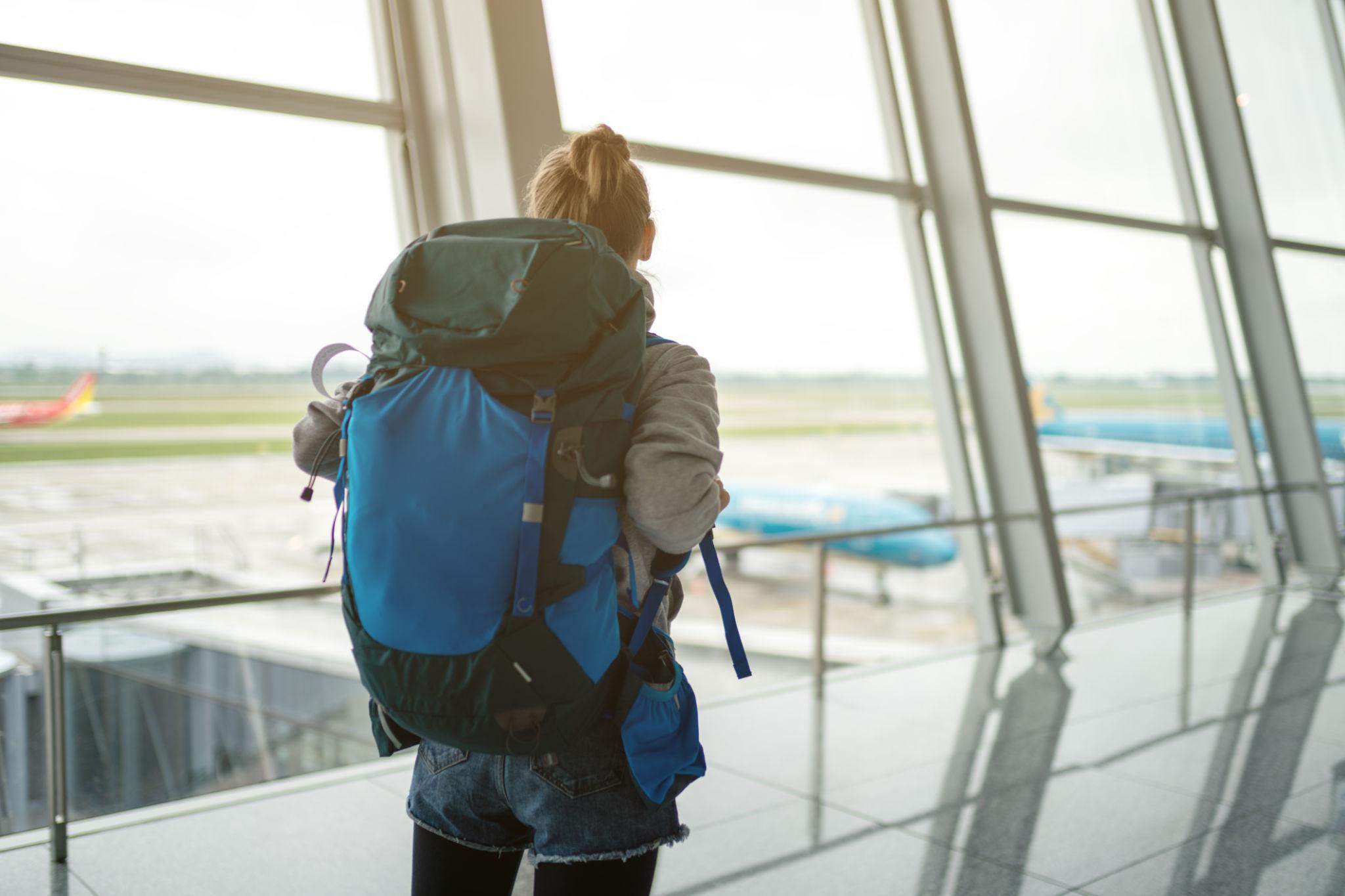
Taking your first solo trip can feel exciting, intimidating, and slightly terrifying all at once.
You're responsible for everything: deciding where to go, booking accommodation, navigating unfamiliar streets, keeping track of your belongings, and figuring out what to do when something doesn't go according to plan.
But that's also what makes solo travel so rewarding.
You get to make your own schedule, change plans whenever you want, eat wherever you like, and discover that you're probably much more capable than you thought.
You don't need to be an experienced traveler to take a solo trip. You just need a little preparation and a willingness to figure things out as you go.
Here are some practical tips to make your first solo adventure easier, safer, and much more enjoyable.


1. Choose a Destination That Matches Your Comfort Level


Your first solo trip probably isn't the best time to challenge yourself with the most complicated destination imaginable.
Instead, choose somewhere that feels manageable.
Consider:
- How easy is public transportation?
- Is the language familiar to you?
- How easy is it to get around?
- Is the destination popular with tourists?
- Are there plenty of accommodation options?
- How far will you be from home?
- Can you easily access help if something goes wrong?
You don't have to start with a two-week international adventure.
A weekend trip to a nearby city can be a perfect introduction to solo travel.
The goal of your first trip isn't to prove how adventurous you are.
It's to build confidence.
2. Don't Overpack Your Itinerary
One of the biggest mistakes first-time travelers make is trying to see everything.
You wake up early, visit five attractions, eat at three restaurants, take public transportation across town, and somehow end the day exhausted.
Solo travel gives you permission to slow down.
Choose a few things you genuinely want to experience and leave room for spontaneity.
For a weekend trip, you might plan:
One major activity in the morning
A relaxed lunch
One or two activities in the afternoon
An easy evening
That's enough.
You don't need to turn your vacation into a productivity challenge.
3. Book Your First Night in Advance


Even if you enjoy spontaneous travel, having your first night's accommodation arranged can make your arrival much less stressful.
After traveling for hours, the last thing you want is to arrive in an unfamiliar city and start searching for somewhere to sleep.
Before leaving, save:
- Your accommodation's address
- Reservation details
- Check-in instructions
- Contact information
- Directions from the airport or station
Keep this information accessible offline as well.
Having a clear plan for your first few hours can make the entire trip feel more manageable.
4. Share Your Basic Travel Plans
Solo travel doesn't mean nobody should know where you are.
Give a trusted friend or family member your basic itinerary.
They don't need constant updates.
Simply share:
- Where you're staying
- Your travel dates
- Your transportation details
- A rough idea of your plans
You can also establish a simple check-in routine.
For example, send a quick message when you arrive at your accommodation.
This gives someone at home peace of mind without turning your trip into a constant reporting exercise.
5. Keep Important Items Separate


Don't keep everything important in one place.
Your passport, cash, cards, phone, and travel documents shouldn't all be stored together if you can avoid it.
Keep backup copies of important documents in a secure digital location.
Depending on your destination, you may also want to carry:
- Identification
- Travel insurance information
- Emergency contacts
- Accommodation details
- Copies of important documents
The goal is simple:
If you lose one thing, you don't want to lose everything.
6. Learn the Basics of Your Destination Before You Arrive
You don't need to become an expert.
But knowing a few basics can save you a lot of confusion.
Research:
- Local transportation
- Common payment methods
- Typical opening hours
- Local customs
- Basic phrases if another language is spoken
- Areas you'll be visiting
- How to get from your arrival point to your accommodation
Also check whether your phone will work normally and whether you need an international plan or local connectivity option.
A little preparation before you leave means less time staring at your phone trying to solve basic problems after you arrive.
7. Trust Your Instincts


This is one of the most important solo-travel skills.
If a situation feels uncomfortable, you don't need to justify why.
You can leave.
If someone is making you uncomfortable, walk away.
If a location doesn't feel right, go somewhere more public.
You don't have to worry about appearing rude.
Your comfort and safety are more important than being polite to a stranger.
At the same time, don't let fear prevent you from enjoying the trip.
Use normal travel awareness: pay attention to your surroundings, avoid unnecessary risks, and make sensible decisions.
8. Don't Tell Everyone You're Traveling Alone
There's nothing wrong with being proud of your solo adventure.
But you don't need to announce your solo status to every stranger you meet.
If someone casually asks whether you're traveling alone, you can simply say you're meeting friends later or keep the conversation vague.
You don't owe strangers your full itinerary, accommodation details, or personal information.
Be friendly—but maintain reasonable boundaries.
9. Have a Backup Plan
Travel rarely goes exactly according to plan.
Flights get delayed.
Trains get canceled.
Restaurants close.
Phones lose battery.
Maps stop loading.
That's normal.
Instead of expecting everything to go perfectly, prepare for small problems.
Before leaving, know:
- An alternative way to reach your accommodation
- Where you can charge your phone
- How you'll access important documents offline
- What you'll do if your original activity is canceled
- Where you can get help if necessary
You don't need a 50-page emergency plan.
Just avoid having one single point of failure.
10. Pack Light


When you're traveling alone, you are responsible for all your luggage.
That makes overpacking especially annoying.
Choose versatile clothing that can be worn in multiple combinations.
Before packing something, ask:
"Will I actually use this?"
A simple packing list might include:
- Comfortable shoes
- Basic clothing
- Toiletries
- Phone charger
- Power bank
- Necessary medications
- Travel documents
- A small day bag
- Weather-appropriate outerwear
Don't pack five outfits for a two-day trip.
You can usually get by with much less than you think.
11. Eat Alone Without Feeling Weird About It


This is one of the things first-time solo travelers worry about most.
"What if everyone thinks it's strange that I'm eating alone?"
They probably don't.
People are generally much more focused on themselves than on who's sitting at the next table.
If you're nervous, start with casual restaurants, cafés, food markets, or places with counter seating.
Bring a book, listen to music, or simply enjoy watching the world around you.
Eventually, you'll realize something wonderful:
Eating alone can be incredibly peaceful.
You don't have to coordinate with anyone.
You can order exactly what you want and leave whenever you're ready.
12. Leave Room for Spontaneity
Don't plan every minute.
Some of the best travel memories happen because you noticed something interesting while walking somewhere else.
Maybe you discover a small café.
Maybe you find a local market.
Maybe you decide to spend an extra hour sitting in a park instead of visiting another attraction.
Solo travel gives you the freedom to change your mind.
Use it.
Your itinerary is a guide—not a contract.
A Simple First Solo Trip Checklist
Before leaving, make sure you've handled the basics:
Before the trip
- Book your first night's accommodation
- Save important addresses and confirmations
- Research transportation
- Check connectivity options
- Share your basic itinerary
- Make copies or secure backups of important documents
- Check the weather
- Pack light
During the trip
- Stay aware of your surroundings
- Keep important belongings secure
- Stay hydrated and rested
- Keep your phone charged
- Don't overschedule
- Trust your instincts
- Give yourself permission to change plans
Before returning home
- Check your room for forgotten belongings
- Confirm transportation details
- Keep important documents accessible
- Leave enough time for your journey
Final Thought
Your first solo trip probably won't be perfect.
You might take the wrong train. You might get lost for twenty minutes. You might order something you don't like. You might realize you packed completely the wrong shoes.
That's okay.
Solo travel isn't about knowing exactly what you're doing every second.
It's about learning that you can figure things out.
Start with a manageable destination, plan the important details, stay aware, pack light, and leave some room for unexpected experiences.
The first time you travel alone, you may spend the first few hours wondering whether you made a mistake.
By the end of the trip, you may find yourself thinking:
"I can't believe I was nervous about this."
And that feeling is often the best souvenir you can bring home. ✈️🎒